Morning Routine for Kids: Calm Before-School Guide
Build a calm morning routine for kids with age-based examples, checklists, habit stacks, fixes, and a 7-day setup plan.

A good morning routine for kids is short, visible, and repeated in the same order most days: bathroom, clothes, breakfast, teeth, backpack, shoes. Start with 3 to 6 must-do steps, build backward from your leave time, and practice the routine before you expect speed.
The goal is not a perfect morning. The goal is fewer decisions, less yelling, and a child who knows what comes next even when everyone is tired.
Start with the goal: a calm, repeatable morning, not a perfect one
A kids' morning routine gives the morning a predictable handoff: wake up, get ready, eat, collect belongings, leave. It reduces choices at the exact time everyone is low on patience.

Keep the routine short enough to repeat on tired mornings. A 15-step routine may look organized, but it often creates more reminders. Start with 3 to 6 must-do steps. Add extras later only if the basics are smooth.
Separate non-negotiables from nice-to-haves:
- Non-negotiables: bathroom, clothes, breakfast, brushing teeth, backpack, shoes, coat.
- Nice-to-haves: reading, chores, extra play, making the bed, music practice.
If mornings are chaotic now, remove nice-to-haves for one week. You can bring them back after the core routine is steady. For more on starting small, see this guide on how to build a habit that sticks.
Starter checklist:
- Use bathroom.
- Get dressed.
- Eat breakfast.
- Brush teeth.
- Pack backpack/lunch.
- Shoes and coat by the door.
Build the routine backwards from the leave time
Do not choose a wake-up time by guessing. Start with the time you must leave, then work backward. Add buffer time for slow transitions, missing shoes, bathroom delays, and sibling conflict.
Before changing everything, time one current morning. Notice how long breakfast really takes, how long getting dressed takes, and where the morning stalls. Younger kids usually need more transition time and visual cues. Older kids can own more of the sequence, especially if they helped build it.
Worked example, illustrative:
- Leave home at 7:45 AM.
- Shoes and coats at 7:35.
- Backpack check at 7:30.
- Brush teeth at 7:20.
- Breakfast from 7:00 to 7:20.
- Get dressed from 6:50 to 7:00.
- Bathroom and wash face from 6:40 to 6:50.
- Wake up at 6:35.
- Built-in buffer: 10 minutes.
If your child often needs 15 minutes to wake fully, add that time instead of hoping they will move faster tomorrow. A realistic routine beats an ideal one.
Choose the right morning routine by age
A routine should match your child's current ability, not just their age. Some 8-year-olds can follow a checklist alone. Some need a parent nearby for the first two steps. That is normal.
For toddlers and preschoolers, use pictures and parent-led transitions. Keep the language simple: two choices, not open-ended questions. Say: red shirt or blue shirt. Not: what do you want to wear today?
For elementary-age kids, use a simple visual checklist. Let them check off each step. This turns the routine into a path they can follow instead of a stream of parent reminders.
For tweens, shift toward ownership. Use alarms, packed bags, clothes chosen the night before, and a quick schedule check for sports, instruments, or special projects.
Age-based starting levels:
- Ages 3 to 5: 3 steps with pictures: potty, clothes, breakfast.
- Ages 6 to 9: 5 steps: bathroom, dress, breakfast, teeth, backpack.
- Ages 10 to 12: 6 steps plus one responsibility: wake with alarm, dress, breakfast, teeth, pack, shoes, check schedule.
Use habit stacking so kids know what comes next
Habit stacking means one action becomes the cue for the next action. Kids do not have to remember the whole morning. They only need to remember the next move.
Use the same words each morning. Repeating the script reduces negotiation because the words become part of the routine. This works best when the steps are connected to physical locations: bed, bathroom, kitchen, door. For more examples, read these habit stacking examples.
Habit-stacking lines:
- After I get out of bed, I go to the bathroom.
- After I use the bathroom, I get dressed.
- After I put my clothes on, I put pajamas in the hamper.
- After breakfast, I brush my teeth.
- After I brush my teeth, I put on shoes.
Say the line, point to the next place, and pause. Give your child a chance to move before repeating yourself. If they get stuck, help with the first tiny action: feet on floor, shirt over head, toothbrush in hand.
Make the morning routine visible
A visible routine reduces repeated reminders because the checklist becomes the prompt. Instead of saying everything again, you can ask: what is next on your chart?
Put the checklist where the behavior happens. Use the bedroom door for getting dressed, the bathroom mirror for teeth, the fridge for breakfast, or the entryway for leaving.
Choose a format your child can actually use:
- Picture chart for preschoolers.
- Dry-erase checklist for elementary kids.
- Magnetic board for the fridge.
- Index cards that move from to-do to done.
- App-based tracker for older kids or parents.
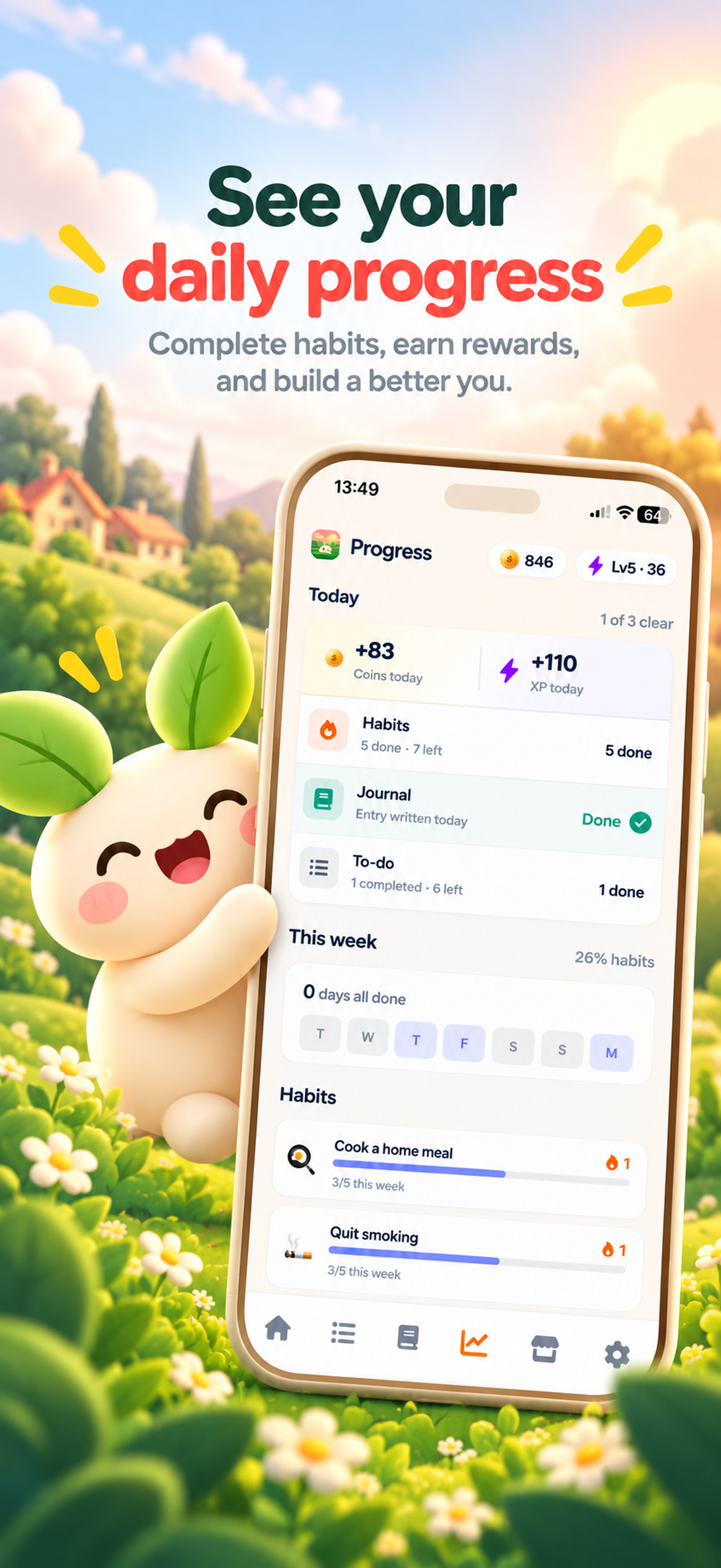
If using ThrivePal, parents or older kids can track simple morning habits, check them off, use reminders, view daily progress and streaks, and earn coins for completed habits. ThrivePal is a habit tracker app for iPhone and Android, free to download, with an optional Premium subscription that adds more.
Door checklist example:
Before we leave:
- Backpack zipped.
- Lunch packed.
- Water bottle filled.
- Shoes on.
- Coat on.
- I am waiting by the door.
Optional ThrivePal habit starting level: 15 phone-free minutes in the morning under digital habits, self-tracked by the user. ThrivePal does not block apps or measure screen time.
Prepare the night before to protect the morning
Move decisions out of the morning whenever possible. Do not wait until 7:20 AM to find homework, sign forms, choose clothes, pack sports gear, or debate breakfast.
Keep night-before prep short. If it takes 30 minutes, it will be skipped on busy evenings. Aim for a reset under 10 minutes.
8-minute evening reset:
- 2 minutes choose clothes.
- 2 minutes backpack and folder check.
- 2 minutes lunch or snack prep.
- 1 minute shoes by the door.
- 1 minute choose breakfast.
Parent script: After dinner cleanup, we do tomorrow setup before screens or free play.
Better evening prep also supports smoother wake-ups. This is not a full sleep plan, but kids usually do better when bedtime is predictable and the morning is not overloaded. If sleep timing is the main struggle, browse small sleep habit ideas.
Troubleshoot the most common morning routine problems
If the routine is not working, do not assume your child is refusing the whole idea. Usually one step has too much friction.
For dawdling, reduce the number of steps and add a visual timer. For power struggles, offer controlled choices: which shirt, which breakfast, which shoes first. Do not offer whether to get ready.
For forgotten items, create a launch pad near the door. Backpacks, shoes, lunch boxes, forms, and instruments need one home. For screen battles, make screens unavailable until the routine is complete. For sibling conflict, stagger wake times or assign separate bathroom turns.
Problem-fix table:
| Problem | Fix |
|---|---|
| Child will not get dressed | Clothes picked the night before plus two choices only. |
| Brushing teeth causes delays | Toothbrush and toothpaste visible with a 2-minute timer. |
| Backpack forgotten | Backpack lives on the same hook every night. |
| Screens derail the morning | Screens start only after shoes are on and backpack is ready. |
If yelling has become the pattern, pick one phrase and repeat it calmly: check the chart. Then help with the next smallest action. You are building a system, not trying to win a debate at 7 AM.
Use a 7-day plan to install the routine without overwhelm
Do not expect a perfect Monday. Install the routine gradually. Start with one or two steps and add more only after your child can repeat them.
The goal of week one is rhythm, not speed. You are teaching the order: bathroom, clothes, breakfast, teeth, backpack, shoes. Speed comes later.
7-day setup plan:
- Day 1: time the current morning without changing it.
- Day 2: choose the 5-step checklist.
- Day 3: set up the visual chart.
- Day 4: practice the first two steps only: bathroom and clothes.
- Day 5: add breakfast and teeth.
- Day 6: add backpack and shoes.
- Day 7: review what caused delays and move one task to the night before.
At the end of the week, ask three questions: what worked, what slowed us down, and what can move to the night before? Keep the routine small until it feels boring. Boring is good. Boring means it is becoming repeatable.
FAQ
What is a good morning routine for kids before school?
A good before-school routine includes bathroom, getting dressed, breakfast, brushing teeth, backpack or lunch check, and shoes or coat by the door. Keep it to 3 to 6 steps at first.
How do I make my child follow a morning routine?
Make it visible, repeat the same order, and practice one or two steps at a time. Use choices inside the routine, such as which shirt, but not choices about whether to get ready.
What time should kids wake up for school?
Work backward from your leave time. Add time for each task plus a 10-minute buffer. Younger kids often need more transition time than older kids.
How can I stop yelling in the morning before school?
Shrink the routine, post a checklist, and use one calm prompt: check the chart. Move stressful decisions, like clothes and backpack checks, to the night before.
Should kids have screen time before school?
Usually, mornings go better when screens wait until the routine is complete. If screens are allowed, make the rule clear: shoes on, backpack ready, then screen time if there is still time.